
HOW TO BECOME A LICENSED PRACTICAL NURSE
Becoming an LPN is easier than you might think. Just follow these steps:
STEP 1
Choose an educational path. A diploma or certification program is faster than an LPN associate degree program.
STEP 2
Complete your training. It will prepare you to take and pass the NCLEX-PN licensing exam, allowing you to get your license.
STEP 3
Take the NCLEX-PN. You have five hours to answer 80 to 200 or so questions. Upon passing it, you will receive your license.
STEP 4
Apply for LPN jobs. Consider earning additional certifications to stand out from other candidates and to qualify for better pay and benefits.
FEATURED SCHOOLS
Take a look at our top picks for LPN schools and classes to find the perfect fit for you.
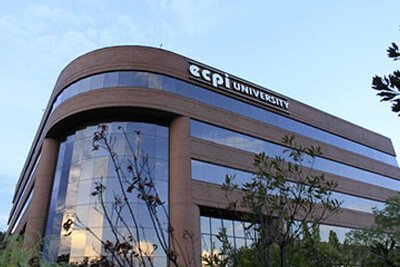
ECPI University
Virginia Beach, Virginia
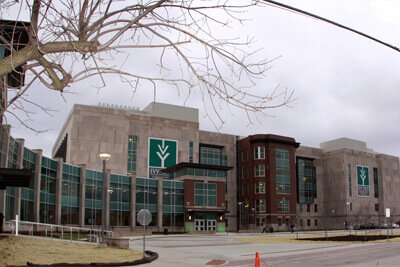
Ivy Tech Community College
Indianapolis, Indiana

Galen College of Nursing
San Antonio, Texas
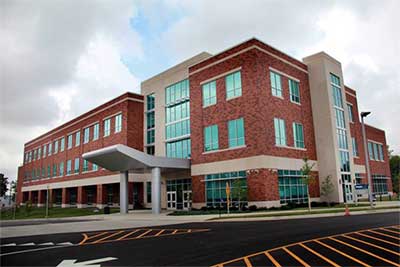
Bluegrass Community & Technical College
Lexington, Kentucky
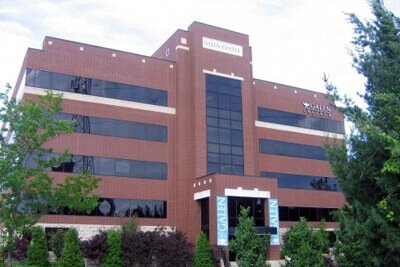
Galen Health Institutes
Louisville, Kentucky

West Kentucky Community and Technical College
Paducah, Kentucky
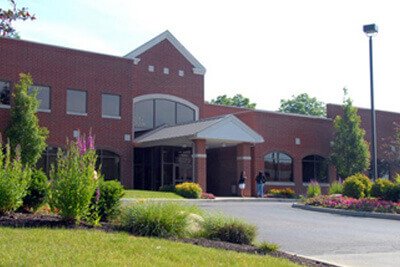
Hondros College
Westerville, Ohio

Jefferson Community & Technical College
Louisville, Kentucky
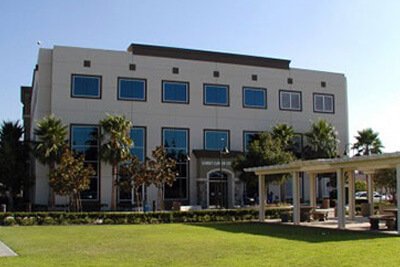
Summit Career College
Colton, California
FREQUENTLY ASKED QUESTIONS
Learn what you need to know about becoming an LPN and completing LPN school with these frequently asked questions:
To complete an LPN program, you must take and pass a series of LPN courses. These courses fall into two broad categories: classroom instruction, which is also offered online, and clinical rotations, which must be completed in person in a hospital setting. LPN classes touch upon a variety of pertinent topics. You can expect to learn a lot of medical terminology and the basics of human anatomy and physiology. Classes concerning patient care and related topics are required as well. During clinical rotations, you put the class taught skills to work in the real world. This hands-on training is perhaps the most important aspect of becoming an LPN.
First, you can expect it to be intense. Most LPN programs can be completed within 12 to 18 months. The shorter the program, the more intense it is because you have to cover a lot of material in a brief period of time. Whether you decide to complete a certificate, diploma, or an associate degree program, your LPN program will prepare you to take and pass the NCLEX-PN licensing exam. Prior to enrolling, find out the "pass rate" for the school you're considering. The best programs have very high pass rates, which show that they cover the right materials and adequately prepare students for the exam. Most LPN programs have fixed schedules for classes. However, clinical work often has to be scheduled separately by the student. Therefore, make sure to account for the extra time you will need to complete hands-on work at local hospitals and the like. Without completing your clinicals, you can't pass your program.
LPN programs seek to accomplish two things. They prepare students to take and pass the NCLEX-PN, and they prepare them to effectively care for patients. Because your job will involve working directly with patients, hands-on experience is a must. Therefore, these programs include extensive amounts of clinical work to ensure that students can hit the ground running as LPNs. In terms of coursework, you can expect to learn the fundamentals of human anatomy and physiology. You will be exposed to extensive amounts of medical terminology to ensure you understand what's going on when you enter the workforce. You'll learn the basics of patient care, including bathing and proper nutrition. Every class you take and lesson you complete matters. The more involved you are, the easier the exam will be.
Although LPN school is more affordable than earning a degree from a four-year college or university, it isn't cheap. On the more affordable end of the scale, diploma and certificate programs can cost as little as $4,000 to $5,000. However, many other fees and costs usually apply, including nursing supplies, a uniform, textbooks, and miscellaneous fees. If you're going to attend a certificate or diploma program, make sure to find out whether or not tuition includes such expenses. Associate degree programs for LPNs average around $10,000 to $12,000 all told. Many times, these programs roll all the costs into a single price, which is definitely convenient. Why would anyone pay so much more to complete an associate program, though? The main reason is having an associate degree sets the stage for progressing to become an RN. In the long run, then, it can save you a lot of time.
Individual LPN programs have their own requirements. Generally speaking, however, prospective students must have either a high school diploma or a GED. Preference is often given to students who have completed at least some healthcare-related schooling in the past. If you're still in high school, take as many of such classes as you can. To be accepted into most LPN programs, you must be able to prove you are a U.S. citizen. If English isn't your first language, you may also have to take and pass the Test of English as a Foreign Language, or TOEFL. Some programs require students to undergo physicals prior to enrolling, and you may have to undergo a criminal background check as well.
That depends on which type of program you choose. In the case of a certificate or diploma program, you may be able to finish in as little as one year. In fact, some programs only take around nine months. Remember though that the shorter the program, the more intense it is going to be. If you opt for an associate degree program, you can expect it to take anywhere from 18 months to two years to complete. The pace is a little easier with this type of program because classes and clinicals aren't crammed into such short periods of time. By going this route, you can more easily move into an LPN-to-RN bridge program later if you decide to pursue an advanced role as an RN. Regardless of which type of program you take, your schooling should be complete within one to two years.
When asked, most LPNs agree that the most difficult thing about LPN school is finding time to get everything done. Even if you opt for an associate degree program, which tends to be a little less intense, you can expect for your life to be consumed by your training. Whether online or in actual classrooms, your classes will take up a lot of your time. In between them, you must find time to complete your clinical rotations. There are also tests, quizzes, and exams to prepare for on a regular basis. To ensure you get the most out of LPN school, you should dedicate yourself to studying as much as possible. The more you do, the easier the work will be. Later, it will be that much easier to pass the licensing exam.
Once LPN school is complete, you will have the credentials you need to sign up for the NCLEX-PN exam. Most students sign up for it while they are still completing their LPN classes, something that allows them to take the exam sooner. If you are eager to get to work as an LPN right away, try to schedule your exam as soon after completing your program as possible. After completing and passing the exam, you can apply for your LPN license. This part doesn't usually take too long. As soon as you receive your license, you will be ready to apply for jobs as an LPN. However, if time permits, you might consider earning additional certifications. This will help you stand out from other candidates and may help you qualify for better pay and benefits.
Start Your Training Now!
If you're ready to embark on your career as an LPN, complete this form to receive a free informational package.